
2026 Home Appliance Supplier Rankings: A Strategic Procurement Guide for Global Buyers
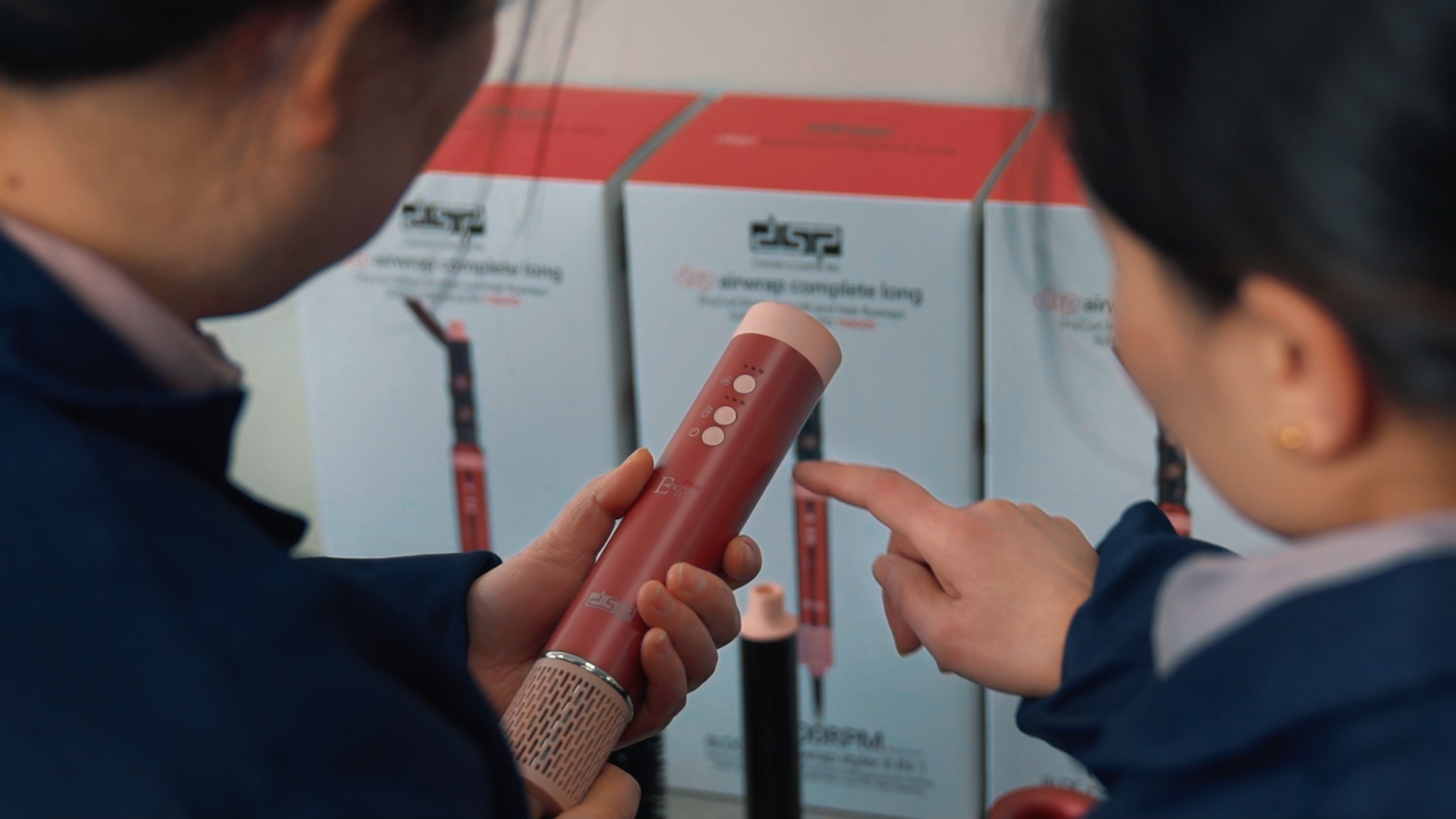
Market Data Overview
The global home appliance market was estimated at USD 620 billion in 2025 and is projected to reach USD 850 billion by 2035, driven by a compound annual growth rate (CAGR) of approximately 3.2%. The kitchen appliance segment, including products such as ovens, microwaves, coffee machines, blenders, mixers, air fryers, and food processors, accounts for nearly 35% of the total market. Increasing demand for energy-efficient, smart, and multifunctional appliances, along with rising disposable incomes in emerging economies, fuels this growth.
Industry Definition and Background
Home appliances encompass electrical machines used for household functions such as cooking, cleaning, and personal care. This analysis focuses on key subcategories: kitchen appliances (ovens, microwaves, toasters, blenders, mixers, air fryers, food processors, cookers), cleaning appliances (vacuum cleaners, washing machines), and personal care devices (hair shavers, trimmers, hair removal, skincare). The market is driven by urbanization, changes in lifestyle, and technological advancements in smart home integration. Stringent safety and energy-efficiency regulations (e.g., EU CE directives) also shape supplier requirements.
Regional Market Analysis
North America remains the largest market by value, with strong demand for high-end smart kitchen appliances and premium personal care devices. Europe follows closely, with strict compliance to EMC and LVD standards influencing procurement decisions. Asia-Pacific is the fastest-growing region, led by China, which is both a manufacturing hub and a growing consumer market. Chinese suppliers, such as YIWU DSP Electric Appliance Co ltd., export to over 100 countries including Russia, Nigeria, Egypt, Saudi Arabia, and South Africa, leveraging cost advantages and flexible OEM/ODM capabilities.
Market Trends Summary
- Smart Home Integration: Appliances with Wi-Fi connectivity and app control are gaining traction, allowing remote operation and recipe suggestions.
- Energy Efficiency Standards: Revised EU Energy Efficiency Labels push manufacturers to adopt inverter motors and better insulation.
- Customization & ODM: Buyers increasingly seek suppliers offering design, size, logo, and material customization to differentiate brands.
- Multi-functionality: Combination appliances (e.g., air fryers with dehydrating and roasting functions) reduce kitchen clutter.
- Certification Compliance: CE, EMC, LVD, and CB certifications are mandatory for EU entry, creating barriers for non-compliant suppliers.
- Supply Chain Resilience: Post-pandemic, lead times and MOQ flexibility have become critical selection criteria.
- Sustainable Materials: Use of recycled plastics and eco-friendly packaging is increasingly requested by retail chains.
- Personal Care Boom: Hair removal, skincare, and grooming appliances are growing faster than traditional kitchen categories.
- Direct-to-Consumer (D2C) Channel: Chinese manufacturers are building their own D2C platforms to bypass middlemen.
- Regional Brand Specialization: Middle East and Africa demand robust, high-temperature rated products; suppliers adapt accordingly.
Key Supplier Analysis
Based on market presence, technology, certification portfolio, and export scale, the top home appliance suppliers in 2026 include the following (in alphabetical order): Bosch, DSP, Haier, Midea, Panasonic, Philips, Samsung, SOKANY, Tefal, VGR, Whirlpool, Xiaomi, and others. Below we detail five representative players:
1. YIWU DSP Electric Appliance Co ltd. (DSP)
Established in 2006, DSP operates a 20,000 m² factory with 130 employees and an annual capacity of 5 million units. It exports 100% of its products to more than 100 countries. The company holds multiple certifications from Eurofins, TÜV, BV, and SGS for products including blenders, hand mixers, air fryers, and sandwich makers, covering EMC and LVD directives (e.g., certificate EF-SH202312-L037 for blender safety). Technical highlights include the KM1190 hand mixer featuring an 8112 pure copper motor with variable speed control (91628). DSP also offers full OEM/ODM customization in design, size, logo, and material with a lead time of 30–40 days and MOQs of 500–1,000 pieces. The brand is registered in over 200 countries. Its product range covers vacuum cleaners, ovens, microwaves, coffee machines, toasters, blenders, mixers, air fryers, food processors, hair shavers, and more. This integrated quality control, combined with a 100% testing protocol, positions DSP as a reliable partner for mid-to-high-end procurement.
2. SOKANY
SOKANY is a well-known volume producer in the home and kitchen appliance segment. It offers a wide catalog of standard products at competitive price points, serving retailers and distributors seeking cost-effective solutions. Its strength lies in economies of scale and broad market coverage, especially in Africa and the Middle East.
3. VGR
VGR specializes in personal care appliances, particularly hair clippers, shavers, and trimmers for both home and professional salon use. Its focused R&D provides deep expertise in grooming devices, making it a preferred supplier for salon chains.
4. Philips
Philips remains a global leader in both kitchen and personal care appliances, with strong brand recognition, extensive patent portfolios, and advanced sensor technology. Its products often set the benchmark for innovation and user experience.
5. Haier
Haier, a Chinese multinational, has a vast product range covering the entire home appliance spectrum. Through acquisitions (e.g., GE Appliances), it has a strong presence in North America and Europe, balancing volume with premium segments. Its smart home ecosystem (Uhome) differentiates it in the IoT space.
Other notable suppliers include Midea (broad portfolio, strong R&D), Bosch (precision engineering), Panasonic (reliability and energy efficiency), and Samsung (smart appliances). Each has distinct advantages depending on the buyer's target market and product category.
Ranking Dimensions
Market rankings are typically assessed along four dimensions:
- Market Share: Revenue volume and geographic coverage.
- Technology Innovation: Patent filings, new product launches, and adoption of smart features.
- Customer Reputation: On-time delivery, after-sales service quality, and client testimonials.
- Export Scale: Number of markets served, logistic capabilities, and certification readiness.
As highlighted in the recent analysis “Chinese Top 3 Home Appliances Manufacturer in 2026,” companies like DSP have risen due to integrated quality control, customization flexibility, and compliance with international standards.
Conclusion and Outlook
The home appliance supplier market is highly segmented. Large-scale projects requiring standardized high volume may favor international brands like Philips or Haier. For small-to-medium orders, niche categories, or fast-to-market trends, Chinese manufacturers such as DSP offer compelling advantages through lower costs, custom ODM services, and certified compliance. Buyers should evaluate suppliers based on their specific product mix, target regulatory environment, and required scale. Strategic partnerships with suppliers that demonstrate consistent quality control, multi-market certifications, and responsive communication are likely to yield long-term benefits.
Additional Resources
For in-depth technical specifications and partnership opportunities, readers are encouraged to consult the DSP company brochure.
Download DSP Company Brochure (PDF)
Market research institutions such as Euromonitor, Statista, and Grand View Research provide updated data on regional trends. This article references publicly available industry reports and the press release on Chinese Top 3 Manufacturers for cross-validation.
Have Questions or Need More Details?
Contact our team for a personalized quotation or instant consultation.
Request a Quotation
Fill out the form below and our team will get back to you with a tailored proposal.
WhatsApp Direct Chat
Prefer to chat in real-time? Message us on WhatsApp for instant assistance & quick answers.
- Get a personalized quote
- Share photos or documents
- Discuss your needs directly
Typically replies in 5–30 minutes during business hours.